Difference Between Learnership and Internship Explained
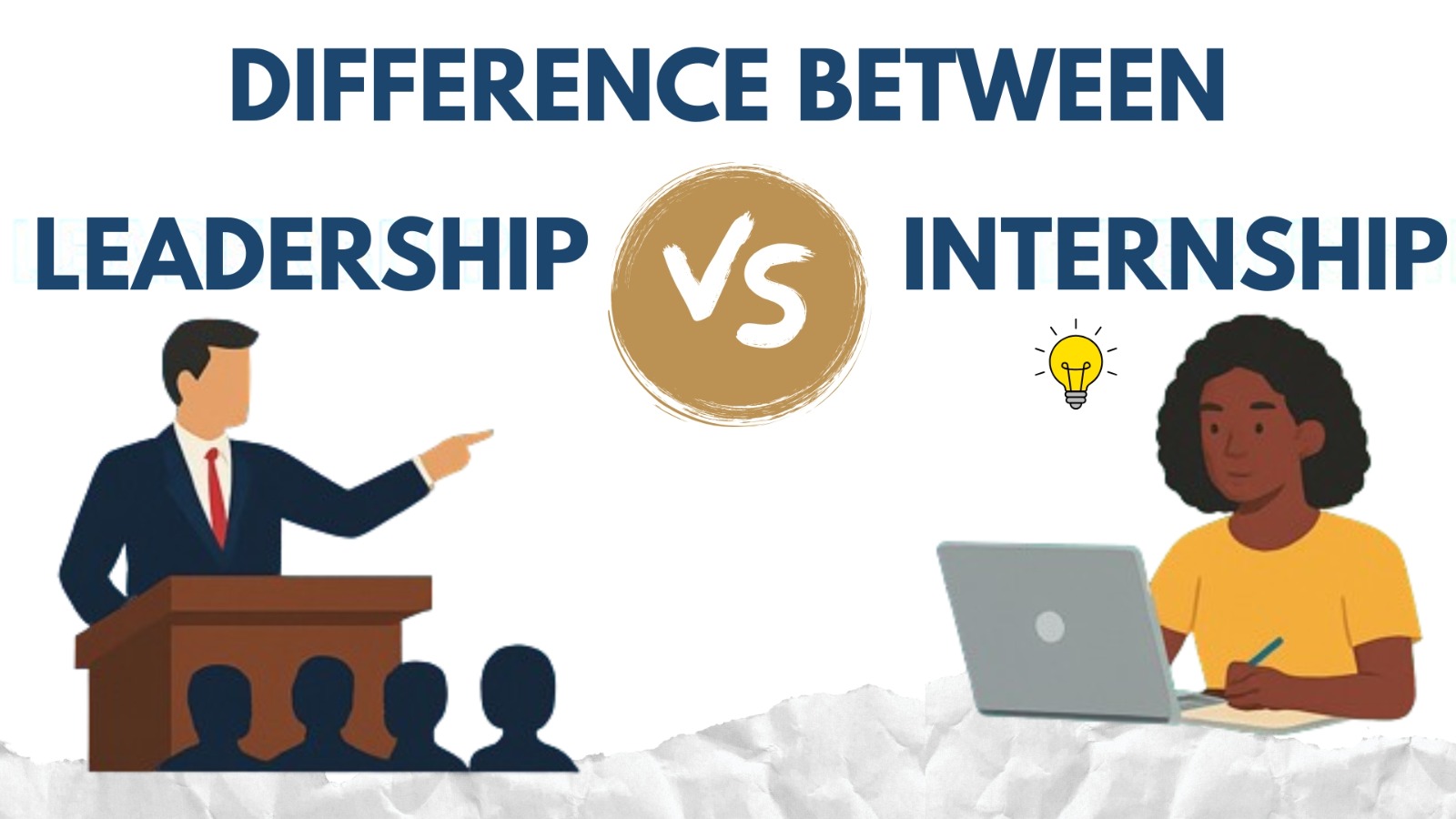
When students, graduates, or job seekers look for ways to gain skills and experience, two terms often come up: learnership and internship. While both provide valuable opportunities to enter the workforce, they are not the same. Many people confuse the two, but understanding the difference between learnership and internship can help you choose the right path for your career.
In this guide, we’ll break down what learnerships and internships are, how they differ, their benefits, and which one might be right for you.
What Is a Learnership?
A learnership is a structured program that combines theoretical learning with practical workplace experience. It is usually linked to a qualification registered with the relevant authorities (such as SETAs in South Africa). Learnerships are most common in technical, vocational, and trade-related fields.
The main purpose of a learnership is to give participants industry-recognized training that results in a formal qualification. This makes learnerships more structured and regulated than internships.
Who Qualifies for Learnerships?
Learnerships are typically aimed at young people who have completed basic education (like a high school certificate or equivalent) and want to gain further training in a specific field. Many are designed for unemployed youth, but employed individuals can also participate to upskill.
Duration of a Learnership
Most learnerships run for 12 to 24 months, depending on the qualification and industry requirements. During this time, learners split their schedule between classroom instruction and on-the-job training.
Examples of Learnerships
- Electrical engineering learnership
- Information technology learnership
- Business administration learnership
- Hospitality and tourism learnership
What Is an Internship?
An internship is a temporary work placement that allows students or graduates to gain hands-on experience in their chosen field. Unlike learnerships, internships are not always linked to a formal qualification. They are more about exposure, networking, and applying classroom knowledge to real-world tasks.
The main purpose of an internship is to prepare candidates for the job market by providing practical skills, professional experience, and industry contacts.
Who Qualifies for Internships?
Internships are usually designed for university students, recent graduates, or individuals transitioning into a new career. Some internships require candidates to be enrolled in a degree or diploma program, while others are open to anyone with relevant skills.
Duration of an Internship
Internships are usually shorter than learnerships, lasting from a few weeks to 12 months. The exact duration depends on the company, industry, and type of internship.
Examples of Internships
- Marketing internship
- Software development internship
- Human resources internship
- Finance and accounting internship
Key Differences Between Learnership and Internship
While both learnerships and internships aim to develop skills and improve employability, they differ in several important ways:
1. Structure of Learning
- Learnership: Includes both theoretical classroom training and workplace practice. It follows a structured curriculum.
- Internship: Focuses mainly on workplace experience with little or no classroom training.
2. Qualification Outcome
- Learnership: Leads to a formal, nationally recognized qualification upon completion.
- Internship: Usually does not result in a qualification; it provides experience and sometimes a certificate of participation.
3. Regulation and Formality
- Learnership: Governed by training authorities and education councils, with strict rules and assessment requirements.
- Internship: Less formal, organized by individual companies or institutions without national oversight.
4. Duration
- Learnership: Typically 12–24 months.
- Internship: Can be as short as a few weeks or as long as a year.
5. Payment
- Learnership: Learners usually receive a stipend (monthly allowance) during the program.
- Internship: Some internships are paid, while others are unpaid, depending on the company and industry.
6. Focus
- Learnership: Emphasis on gaining a recognized qualification while developing job skills.
- Internship: Emphasis on gaining work exposure and practical experience in a specific role.
| Aspect | Learnership | Internship |
|---|---|---|
| Structure | Theory + workplace training | Workplace training only |
| Qualification | Nationally recognized certificate | Usually no qualification |
| Duration | 12–24 months | Weeks to 12 months |
| Payment | Stipend provided | Paid or unpaid |
| Regulation | Controlled by education/training bodies | Organized by companies individually |
Benefits of a Learnership
- Leads to a formal, recognized qualification
- Provides both theoretical knowledge and workplace skills
- Opens opportunities in technical and vocational careers
- Learners receive a stipend to support themselves during training
- Improves employability in industries that require certification
Benefits of an Internship
- Provides hands-on experience in your chosen career field
- Helps build a professional network for future opportunities
- Improves your resume with real-world achievements
- Can sometimes lead to a permanent job offer
- Flexible in duration and available across multiple industries
Which One Is Right for You?
Choosing between a learnership and an internship depends on your career goals, education level, and industry.
- Choose a learnership if:
- You want to earn a formal qualification.
- You are interested in a technical or vocational career.
- You are just starting out and need structured training.
- Choose an internship if:
- You already have or are studying for a degree or diploma.
- You want to gain workplace exposure and networking opportunities.
- You are looking to apply academic knowledge in a real-world setting.
In some cases, you might even do both — a learnership to gain qualifications and an internship later to build professional experience.